



Blog
Distinguishing Between Premium Aluminum and Standard Aluminum

Jul
Aluminum is a widely used material in the construction and interior design industries, but not all aluminum is created equal. Knowing how to differentiate between premium and standard aluminum is essential to ensure both quality and aesthetics for your project. This article will help you identify the key differences between the two.
1. Material and Alloy Composition
Premium Aluminum
Premium aluminum is typically made from high-quality aluminum alloys with an optimized alloy ratio. This not only enhances durability but also improves corrosion resistance.
Standard-Grade Aluminum
Standard-grade aluminum usually contains a lower alloy ratio, making it more prone to oxidation and quick deterioration. Poor quality can lead to serious issues during use.
2. Surface Finish
Premium Aluminum
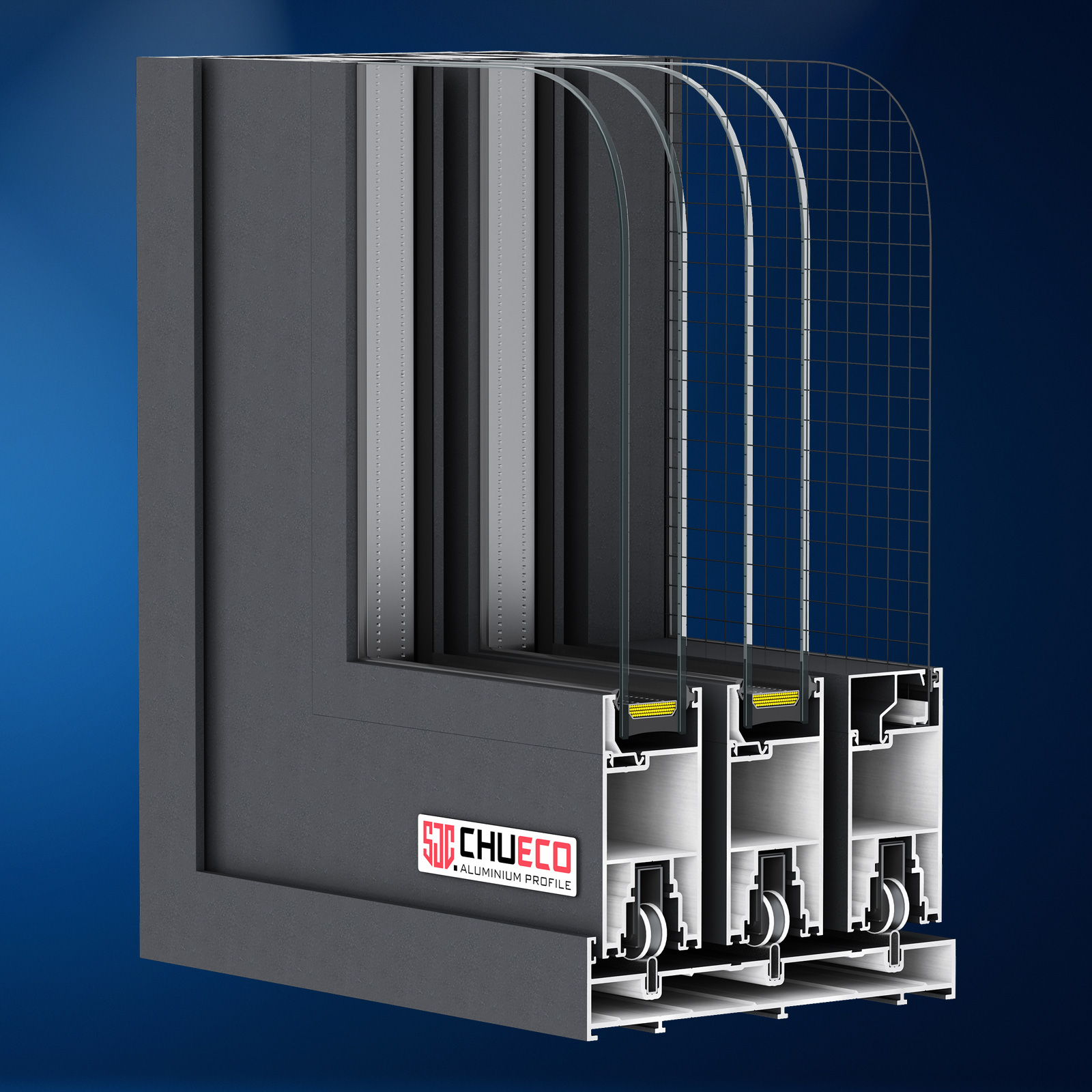
The surface of premium aluminum is often anodized or powder-coated, resulting in a glossy, smooth finish with excellent scratch resistance. This not only boosts aesthetics but also prolongs the product’s lifespan.
Standard-Grade Aluminum
The surface of standard aluminum is usually rough and easily scratched. These products may fade quickly and lack good weather resistance.
3. Thickness and Weight
Premium Aluminum
Premium aluminum tends to have greater thickness, giving a solid and secure feel when in use. It also enhances sound and heat insulation for your space.

Standard-Grade Aluminum
Standard-grade aluminum is lighter and thinner, making it more susceptible to deformation or denting under pressure.
4. Price
Premium Aluminum
Premium aluminum is generally more expensive due to higher production and material costs. However, it offers long-term value and durability.

Standard-Grade Aluminum
Standard-grade aluminum is cheaper but lacks quality assurance, often leading to higher maintenance and repair costs.
5. Warranty
Premium Aluminum
Premium aluminum products often come with long-term warranties of 10 years or more, providing peace of mind for consumers.

