



Blog
Sagging Aluminum Glass Doors: Causes and Solutions
Jul
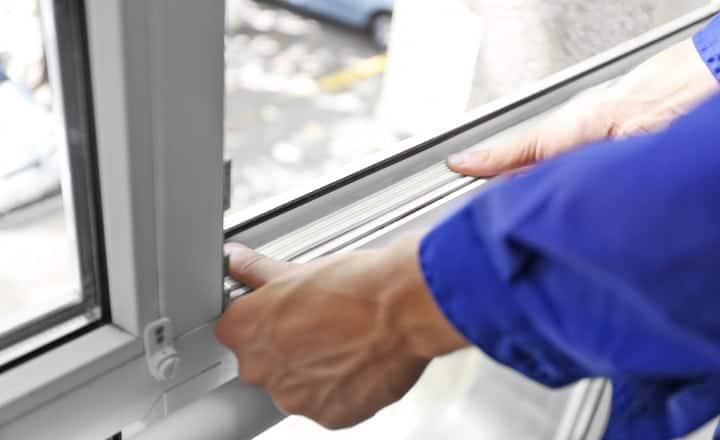
During regular use, aluminum glass doors may begin to sag over time. While this may not seem like a serious issue at first, if left unresolved, it can lead to annoying squeaking noises during opening and closing. So how do you fix a sagging door? Let’s explore the causes and effective solutions with NKWINDOW.
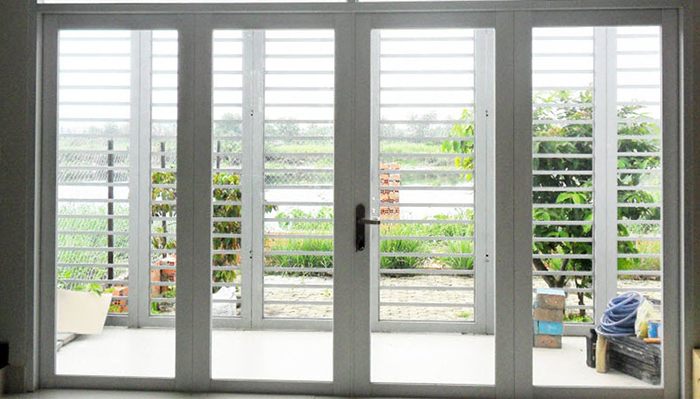
1. Why Do Aluminum Glass Doors Sag?
Like any product, aluminum glass doors have a lifespan. Their durability depends on multiple factors, from the manufacturer and installation process to daily usage.
Over time, sagging doors are quite common. Some of the main causes include:
-
Lack of regular maintenance and environmental effects
-
Damaged or worn-out hinges
-
Improper installation techniques
-
Poor-quality hardware and accessories
2. How to Fix a Sagging Aluminum Glass Door
2.1. Door Sagging Due to Long-Term Use
If the door has been in use for many years and has experienced constant opening, closing, or external force, you can fix it as follows:
-
First, inspect the hinges and screws attaching them to the frame and sash.
-
For large and heavy doors, consider adding additional hinges to better support the weight.
-
After adjustment, avoid slamming or using excessive force, and operate the door gently moving forward.
2.2. Door Sagging Due to Improper Installation
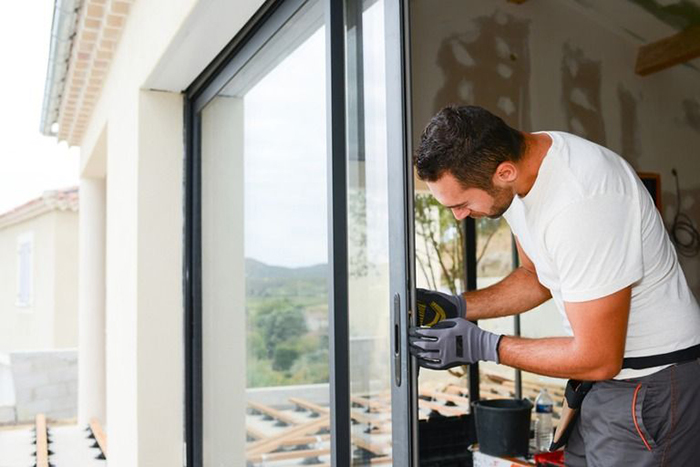
If your aluminum door sags shortly after being installed, it’s likely caused by installation errors such as misaligned or loose screws, or failing to follow proper procedures and standards.
-
If you cannot fix it by re-tightening all the screws, contact the installation team to request a proper adjustment.
2.3. Door Sagging Caused by Hinge Problems
2.3.1. Doors with 3D Hinges
You can evaluate the level of sagging by observing the gaps between the sash and the frame, the floor, or between two sashes.
-
If the gap remains even, but the sash still sags, it could be due to floor movement or expansion.
-
To fix this, remove the plastic cover under the 3D hinge and use a screwdriver to adjust the hinge height accordingly.
-
Depending on the gap, adjust the upper clearance between the sash and the frame by 2mm–4mm.
2.3.2. Doors Without 3D Hinges
If the hinge is defective and the door doesn’t use a 3D hinge, follow this method:
-
Remove the hinge from the frame or sash
-
Raise the sash slightly within the allowed tolerance
-
The screw positions will change after lifting the door—re-attach the hinges in the new position by drilling new holes and securing with screws.
2.4. Door Sagging Due to Low-Quality Materials or Accessories
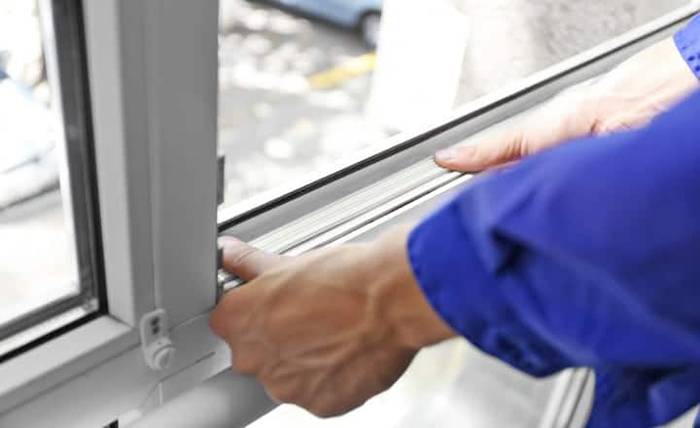
The ease of use and longevity of an aluminum door depend heavily on the quality of the materials and hardware.
-
If poor-quality materials are the cause of sagging, the best solution is to choose reliable suppliers like NKWINDOW who provide high-quality products from the start of the installation process.
