



Blog
3 Key Differences Between Sliding and Swing Doors
Jun
Many customers are unsure whether to choose sliding or swing doors for their homes or projects. Each type has its own unique strengths. Let’s explore the 3 key differences between these two door types with NKWindow to help you make the right decision.
Overview of Sliding and Swing Doors
Before diving into the differences, it’s helpful to understand how each door type works and what makes them stand out.
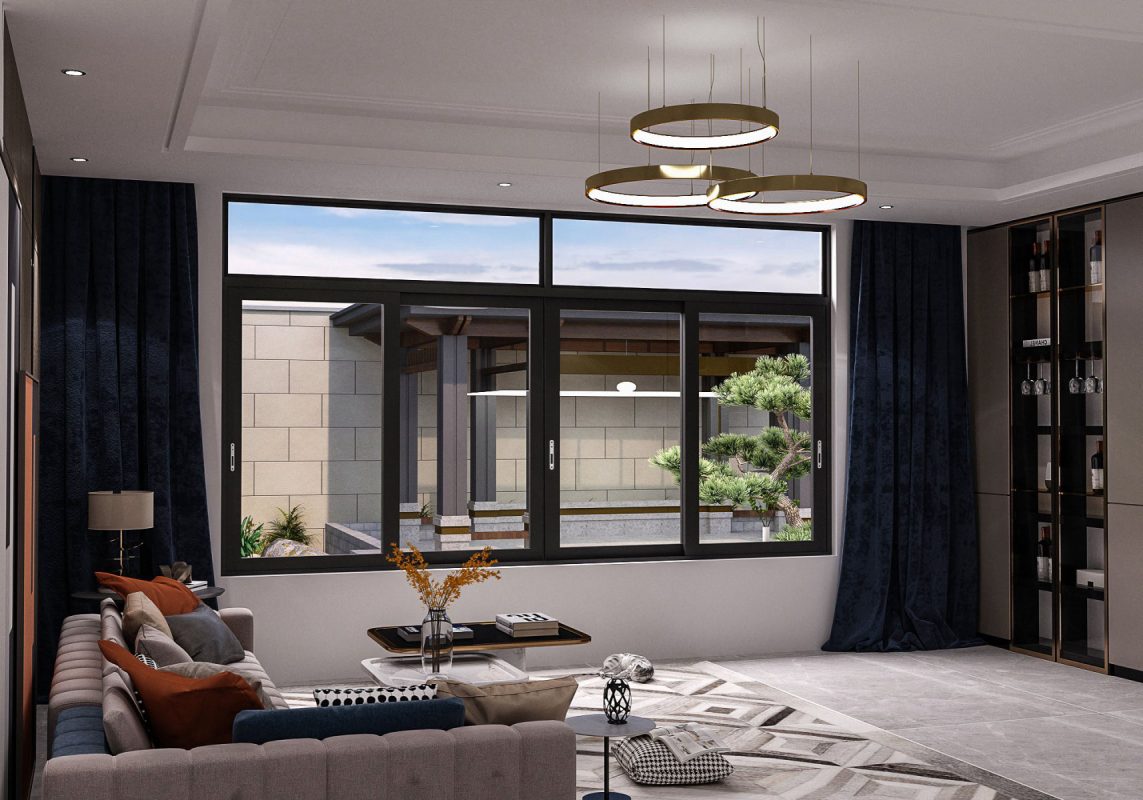
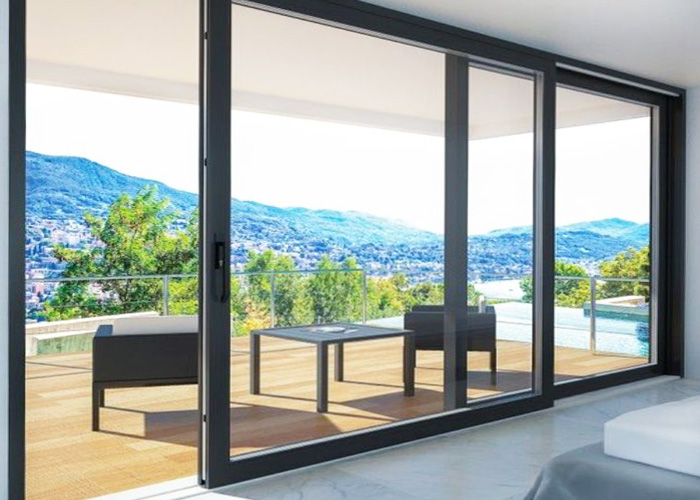
Sliding Doors (Lùa)
Also known as gliding or bypass doors, these operate by sliding along tracks. Most designs feature 1–3 tracks, accommodating 1–6 door panels. Sliding doors are a modern solution, ideal for saving space in compact areas.
Advantages:
-
Excellent sound and thermal insulation
-
Smooth and easy opening/closing mechanism
-
Space-saving design, perfect for small apartments or narrow hallways
Swing Doors (Mở quay)
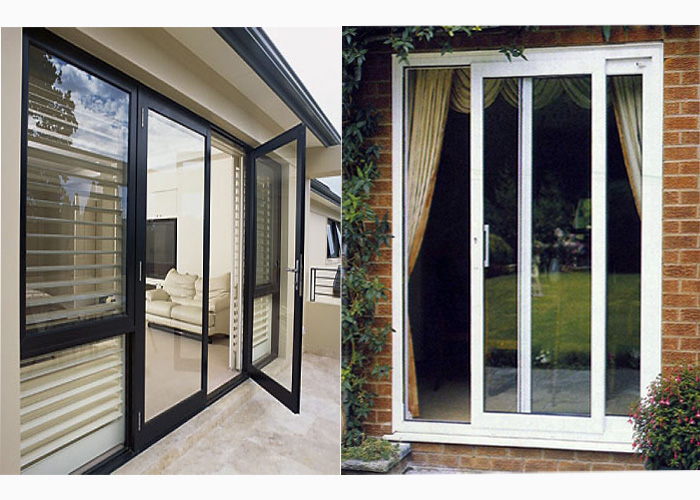
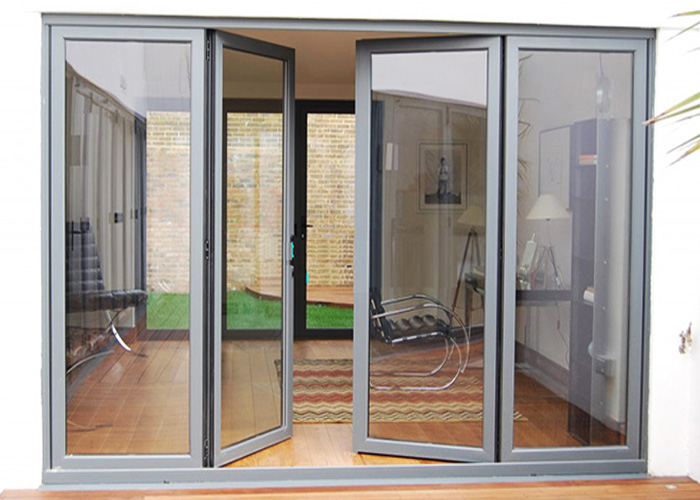
Swing doors are the traditional choice and suitable for most building types. These doors open outward or inward on a hinge, and can feature one or multiple panels. Modern swing doors (especially aluminum-glass types) can open up to 180° for full access.
Advantages:
-
High durability, resistant to warping
-
Equipped with limit arms to prevent wall impact
-
Secure multi-point locks enhance safety and prevent break-ins
3 Key Differences Between Sliding and Swing Doors
Here are three important aspects that distinguish these two types:
1. Airtightness & Security
-
Swing Doors: Use double EPDM gaskets and multi-point locks for maximum sealing and security.
-
Sliding Doors: Typically use brush seals and single-point locks, making them less airtight and slightly more susceptible to dust and air leakage.
Winner: Swing doors, for better insulation and tighter sealing.
2. Flexibility and Accessibility
-
Sliding Doors: Open horizontally with ease and don’t require clearance space, making them ideal for tight areas. However, they typically allow access to only 50–75% of the doorway width, depending on the number of panels and tracks.
-
Swing Doors: Require more clearance but provide 100% access to the full frame when opened fully.
Winner: Sliding doors are more space-efficient, while swing doors offer fuller access.
3. Cost Differences
-
While both types offer similar quality, swing doors are generally more expensive due to their use of premium gaskets, locking systems, and more complex hardware.
-
Sliding doors are more economical and require fewer accessories.
Winner: Sliding doors, if you’re looking for cost-effectiveness.
So, Which Door Should You Choose?
If your priorities are airtightness and high insulation, swing doors may be the better choice. But if you’re after space efficiency and a more affordable option, sliding doors win out. The best choice ultimately depends on:
-
Installation location
-
Available space
-
Your specific needs
Final Thoughts
With this comparison, we hope you now have a clearer understanding of sliding vs. swing doors. Whatever your choice, make sure to work with a reputable supplier and installer to ensure product quality and professional service.
