



Blog
Why Should You Install a Kitchen Window? How to Design a Kitchen Window According to Feng Shui
Sep
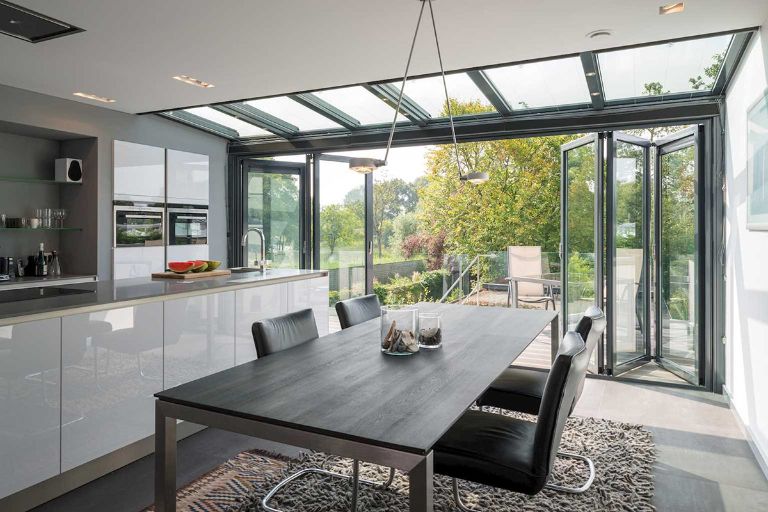
Installing a kitchen window not only brings freshness and ventilation while welcoming natural light into the cooking space, but also provides positive Feng Shui values. That’s why choosing the right position, size, and style of a kitchen window, as well as optimizing Feng Shui, is increasingly gaining attention from homeowners.
Why Should a Kitchen Have a Window?
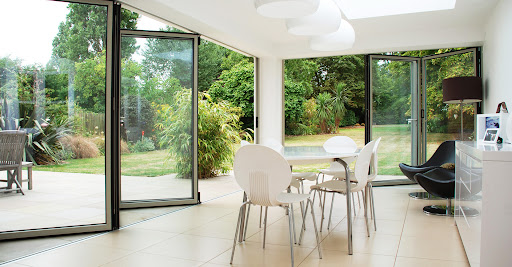
Besides planning the location of the stove or using a range hood, the placement of a kitchen window plays a key role in the overall design.
-
From a scientific perspective: a window helps ventilate the room, dissipating lingering food odors that may cause discomfort.
-
From a Feng Shui perspective: the kitchen window allows air circulation between inside and outside, influencing the well-being and prosperity of the household.
Benefits of Installing a Kitchen Window

-
Natural light: brightens up the cooking space, making it more comfortable and pleasant, while reducing dependence on artificial lighting and saving electricity.
-
Air circulation: lets fresh air in, cleanses the space, controls cooking odors, and prevents mold.
-
Connection with nature: proper window placement positively impacts energy and mood. Being able to enjoy outdoor views enhances relaxation and inspiration while cooking.
However, choosing a Feng Shui–friendly kitchen window also requires careful consideration of privacy, kitchen location, and the family’s specific needs to ensure both comfort and practicality.
Things to Consider When Designing a Kitchen Window
1. Window Material

-
For modern kitchens, homeowners often prefer aluminum-glass windows, which are lightweight, easy to clean, and create an open, airy feel.
-
SJC CHUECO aluminum systems offer many options suitable for kitchens, such as casement windows, sliding windows, top-hung windows, and fixed partitions.
-
Choosing the right glass is also crucial. For example, dust-resistant, easy-to-clean glass is highly practical, and UV-protective glass helps protect furniture from sunlight damage.

2. Window Orientation
-
A Feng Shui–friendly window should welcome both sunlight and wind. Ideally, it should face East to capture the fresh morning light and reduce heat during cooking.
-
Avoid West-facing windows, as afternoon sun may increase heat in the kitchen, which already carries a strong “Fire” element.
-
If the kitchen window is the main source of natural light, its direction should align with the homeowner’s age and destiny (mệnh). Ensure the view is not blocked by obstacles such as buildings or large trees.

3. Window Size
-
Traditionally, kitchen windows are smaller as their main purpose is ventilation and light.
-
In modern homes, however, larger windows are preferred to maximize light and create a more spacious, airy atmosphere.
4. Window Style
-
Rectangular windows provide a sense of stability and are considered auspicious in Feng Shui.
-
Window grids often follow the “birth – growth – sickness – death” cycle, so homeowners should pay attention to the arrangement.
-
For small kitchens, tall narrow windows are ideal, as they allow more light and make the space appear taller. Louvered designs are useful to keep out rain and wind.
5. Hardware Check
-
Hinges, handles, and other accessories should be checked regularly to ensure smooth operation. Replace rusty or worn parts promptly.
6. Regular Maintenance
-
For aluminum-glass windows: lubricate joints and hinges to avoid stiffness.
-
For wooden windows: repaint periodically to prevent termite damage and maintain color durability.
Conclusion
Installing a kitchen window not only improves ventilation, brings in natural light, and creates comfort while cooking, but also plays an important role in balancing Feng Shui energy. A well-designed kitchen window enhances airflow, eliminates odors, attracts prosperity, and creates warmth for the entire home.
If you are planning to renovate or build a new kitchen, don’t overlook the window design — it’s a small detail that makes a big difference in creating a stylish and harmonious space.
