



Blog
Slim Aluminum Doors: Structure, Advantages, and Disadvantages
Jun
Detailed Overview of Slim Aluminum Doors
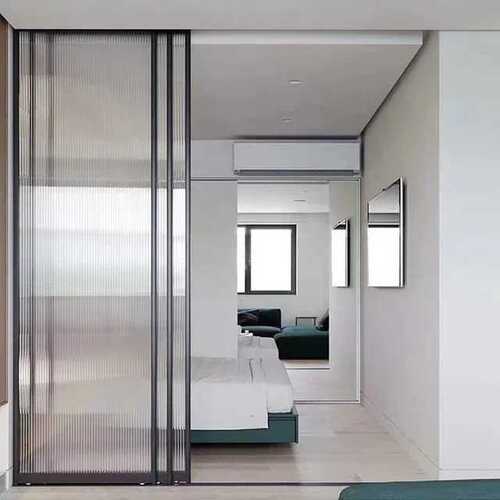
Slim aluminum doors, also known simply as Slim doors or Slim profile aluminum doors, refer to a specialized line of doors that feature a different structure compared to conventional aluminum systems.
Popular Slim Door Types
Just like other aluminum door systems, Slim systems also come in various styles, including:
-
Slim sliding doors: The most commonly installed type in the market today.
-
Slim swing doors: Often used for interior room entrances.
-
Slim folding-sliding doors: A more advanced design for flexible openings.
What Are the Advantages of Slim Aluminum Doors?
This door line is considered a next-generation solution for interior partitions and smart doors, offering several outstanding advantages. These benefits contribute to a high-end, aesthetic, and well-performing product:
-
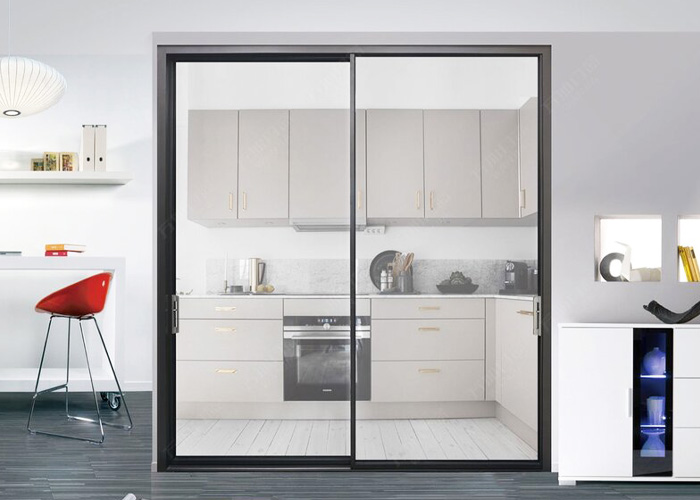
High aesthetics with minimal frames: Slim aluminum profiles offer a sleek look and come in various designs to suit different architectural needs.
-
Maximizes natural light: The ultra-thin frames allow for large glass panels, enhancing visibility and creating a more open space.
-
Premium integrated hardware: Smartly designed components ensure smooth, silent operation and long-term durability.
-
Hydraulic soft-closing system: Prevents hand injuries and reduces harsh impacts when closing the door.
-
Synchronized operation: Belt-drive systems allow all panels to move together seamlessly.
-
No bottom track design: Eliminates the inconvenience of raised thresholds and makes cleaning easier. This also allows for a seamless transition between spaces.
-
Architectural versatility: Despite the minimalist look, the doors can integrate well into a variety of building styles and custom requirements.
Disadvantages of Slim Aluminum Doors
While the Slim door system offers many benefits, there are a few limitations to be aware of—though they do not significantly impact the product’s overall quality:
-
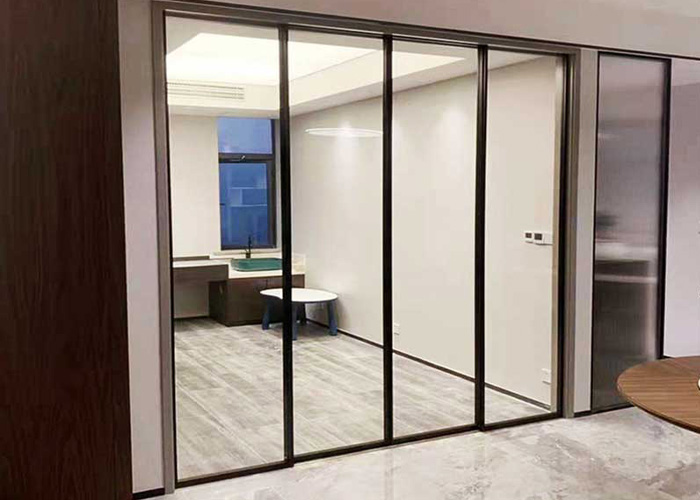
Not ideal for main entrance use: The slim aluminum profiles are mainly designed for partitions, making them unsuitable for main exterior doors.
-
Limited locking mechanism: Due to their small hook locks, these doors are not highly secure and are therefore more appropriate for interior use, such as room dividers or doors between indoor spaces.
