



Blog
3 Key Differences Between Sliding Doors and Swing Doors

Jun
Many Customers Are Torn Between Choosing Sliding or Swing Doors – Which Is the Better Option?
Each door type offers its own unique features, making it important to understand their differences before deciding.
Overview of Sliding and Swing Doors
Each type of door has its own structure, functionality, and opening mechanism. Understanding these basics will give customers a clearer view of which product suits their needs.
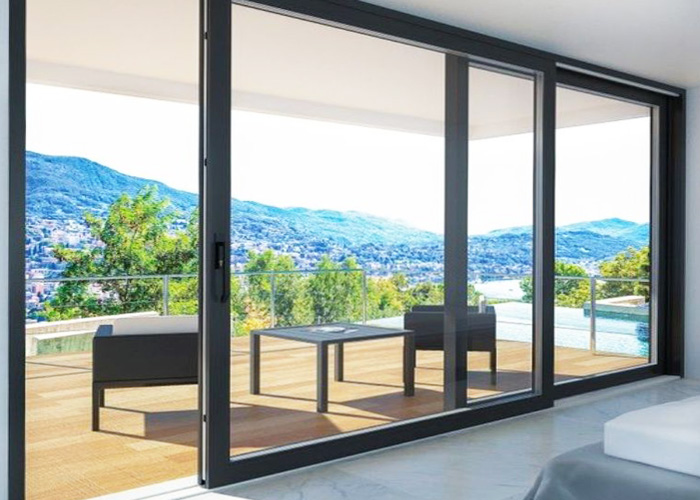
Sliding Doors
Also known as sliding or gliding doors, this type operates by sliding panels along a track. These doors typically have 1 to 3 tracks and can accommodate 1 to 6 panels. Sliding doors are currently very popular and are considered a smart solution for space-saving.
Key advantages include:
-
Excellent sound and heat insulation
-
Easy to open and close
-
Great space-saving solution, especially for compact apartments
Swing Doors
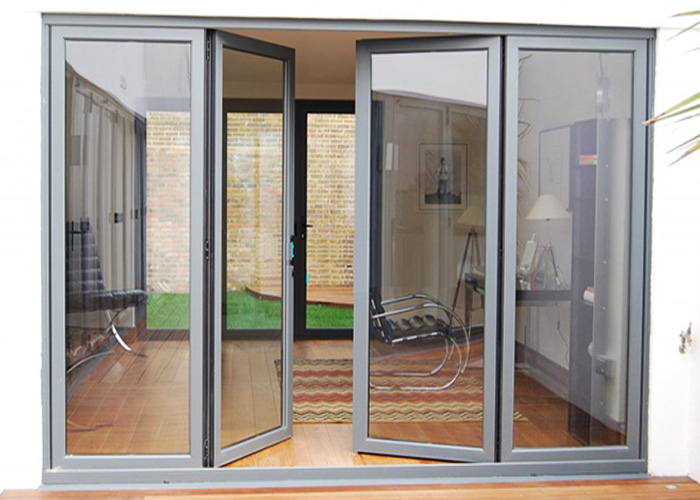
Swing doors are the traditional choice and are compatible with virtually all types of buildings. They can feature a single panel or multiple panels. These doors operate by swinging inward or outward on a hinge axis. Aluminum swing doors, in particular, can open up to 180 degrees.
Notable advantages:
-
High durability and structural stability; resistant to warping
-
Convenient operation with door stays to prevent wall impacts
-
Multi-point locking system enhances security and anti-theft protection
3 Key Differences Between Sliding and Swing Doors
Many customers are still unsure whether to choose sliding or swing doors. Let’s explore the 3 main differences that set them apart:
1. Sealing Performance
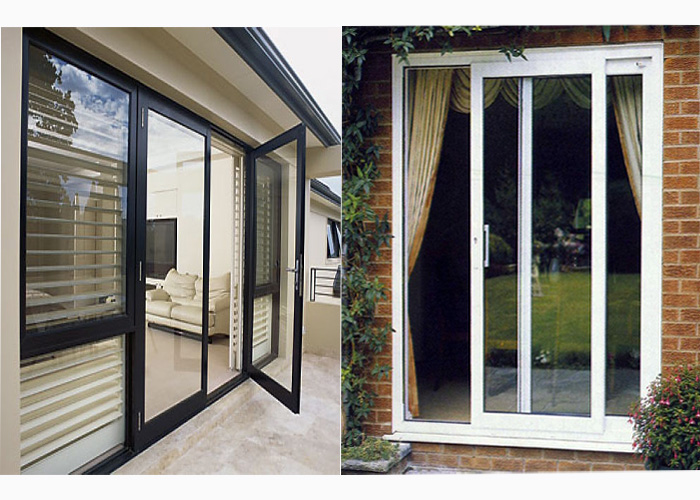
Swing doors generally provide better sealing due to the use of double EPDM gaskets, while sliding doors typically rely on brush seals. This means swing doors offer superior airtightness and better protection against dust and drafts.
Additionally, swing doors usually come with multi-point locks, whereas sliding doors often use single-point locks. This enhances the overall sealing and security of swing doors.
2. Flexibility in Use
Sliding doors offer more flexible operation. They open and close quickly and don’t take up interior or exterior space. In contrast, swing doors require clearances to open and can take more time to operate.
However, sliding doors typically only allow 50–75% of the doorway to open, depending on the number of panels and tracks. Swing doors, on the other hand, can open fully, allowing up to 100% access.
3. Price Difference
While both door types offer similar quality in terms of materials, swing doors tend to be more expensive. This is due to the added cost of components such as gaskets and multi-point locks, which are more commonly used in swing door systems.
Which Type Should You Choose?
If you’re looking for better sound and thermal insulation, swing doors may be the better choice. However, for cost-effectiveness and convenience, sliding doors are superior.
Ultimately, the best choice depends on factors such as installation location, available space, and your specific needs. That’s why it’s important to do thorough research to make the most suitable and informed decision.
Conclusion
After reading this article, customers should now have a clearer understanding of the differences between sliding and swing doors. This will help make the selection process easier for your home or project.
Lastly, be sure to choose a reputable and experienced manufacturer and installer when selecting your door provider to ensure product quality and peace of mind.
